What’s included in the HRDD Academy
The HRDD Academy is made up of three levels, each with its own set of modules.
Below you'll find the modules in each level, who they're for, and how long they take.
Level 1: Understanding HRDD

Level 1 introduces human rights due diligence and the role of the OECD, then works through each of the six HRDD steps in turn — from embedding HRDD in policy to remediating harm. Two further modules focus on forced labour: how to recognise and address it in your supply chain, and how to prepare for the EU Forced Labour Regulation. Additionally, one module looks at labour minute costing and the Fair Price App.
10 modules include:
-
An introductory module explaining human rights due diligence (HRDD) and the role of the OECD in setting international standards for responsible business conduct. It shows how due diligence helps companies identify, prevent and address risks in their supply chains.
You'll learn about
What the OECD is and what its functions are
The role of the OECD in creating alignment across the garment industry
What human rights due diligence is and how it is defined
The six HRDD steps
The role of companies in implementing due diligence in their supply chains
Who it's for: CEOs, CSR departments, sourcing and purchasing departments
Duration: Approx. 2.5 hours -
This module helps you take your first concrete step in HRDD by building a strong human rights policy and integrating due diligence into everyday management systems. You'll get practical guidance on developing and applying an HRDD policy in line with OECD and UN standards.
You'll learn about
How HRDD Step 1 links to the full HRDD process
Key garment sector risks identified by the OECD
The differences between HRDD and RBC policies
The core elements and structure of an HRDD policy
Using management systems to support HRDD implementation
Who it's for: CEOs, CSR departments, legal departments
Duration: Approx. 3 hours -
This module helps you identify where human rights risks are most likely and most severe across your operations and supply chain. You'll explore supply chain complexity, practise risk scoping and risk assessment using real-world examples, and learn how to prioritise production locations based on the likelihood and severity of harm.
You'll learn about
The activities under HRDD Step 2
Mapping and defining supply chains
The difference between potential and actual harms
Risk scoping and risk assessment in practice
Prioritising risks based on likelihood and severity
Assessing your company's contribution to harm
Who it's for: CSR departments, sourcing departments
Duration: Approx. 3 hours -
This module helps you take concrete action when your company causes or contributes to actual or potential human rights harm. You'll gain practical insight into how to cease, prevent or mitigate harm, how to onboard new suppliers responsibly, and how to implement a responsible exit strategy when necessary.
You'll learn about
Distinguishing between actual and potential harm
Cease, prevention and mitigation actions
Building and implementing action plans
Preventive strategies, including freedom of association
Responsible supplier onboarding
When and how to exit production locations responsibly
How Step 3 connects to the full HRDD process
Who it's for: CSR departments
Duration: Approx. 3 hours -
This module helps you actively track your HRDD performance and understand whether your efforts to address human rights risks are delivering real impact. You'll gain hands-on insight into how to monitor progress, verify implementation and validate outcomes.
You'll learn about
Tracking and monitoring human rights risks
Verifying the implementation of HRDD actions
Validating outcomes and measuring progress over time
Designing a monitoring system for HRDD commitments
How Step 4 connects to the other HRDD steps
Who it's for: CSR departments, sourcing departments, purchasing departments
Duration: Approx. 3 hours -
This module supports you in communicating HRDD progress with clarity and transparency, with practical guidance on OECD-aligned reporting and key legislative requirements such as the CSRD and ESRS.
You'll learn about
What to communicate about HRDD, and how
HRDD reporting expectations under the CSRD and ESRS
Evaluating the impact of effective communication on trust and stakeholder engagement
How Step 5 connects to the other HRDD steps
Who it's for: CSR, communications, marketing and legal departments
Duration: Approx. 3 hours -
This module supports you in remediating human rights harm when it occurs or when prevention has fallen short. You'll explore how to remediate harm in line with OECD expectations, how to actively engage affected stakeholders, and how to put preventive measures in place so that harm does not re-occur.
You'll learn about
The different types of grievance mechanism, internal and external
How to operationalise the remediation of harm
Engaging stakeholders in remediation processes
How Step 6 connects to the other HRDD steps
Who it's for: CSR departments
Duration: Approx. 2 hours -
This module supports you in preparing for the EU Forced Labour Regulation by assessing forced labour risks, understanding enforcement processes, and developing practical action plans to prevent and address forced labour across your supply chain.
You'll learn about
Forced labour risks in global supply chains
The scope and applicability of the EU Forced Labour Regulation
The EU FLR implementation timeline
The investigation process by competent authorities
Burden of proof and relevant evidence
The consequences of non-compliance
Developing step-by-step action plans to prevent and address forced labour
Who it's for: CEOs, CSR departments, sourcing and buying departments, legal departments
Duration: Approx. 3 hours -
Could forced labour be hidden in your supply chain? This module helps you understand how forced labour occurs, why it is often difficult to detect, and what steps can be taken to prevent and address it. Through practical examples and guided learning, you'll learn to identify risk factors, recognise warning signs and understand the experiences of vulnerable workers. The module also gives guidance on integrating forced labour considerations into your human rights due diligence processes.
You'll learn about
What forced labour is and where it occurs
The root causes and drivers behind forced labour
Why forced labour often remains hidden
The key indicators and warning signs to look for
High-risk sectors and vulnerable worker groups
The risks facing migrant workers
State-imposed forced labour and its implications for business due diligence
Who it's for: CSR departments, sourcing departments
Duration: Approx. 3 hours -
How can buyers and suppliers have more transparent conversations about wages and pricing? This module introduces the Fair Price App, a free tool designed to make labour costs more visible and support data-driven dialogue between buyers and suppliers. By giving greater insight into wage-related costs, the tool helps create a shared understanding of what it realistically takes to move towards higher wages and more responsible purchasing practices. The Fair Price App does not verify wage levels or guarantee living wage payments, but it offers a practical foundation for informed discussions on costing and remuneration.
You'll learn about
Production costing and the role of labour costs in pricing
How wage-related cost information can be calculated and shared transparently
The value of data-driven discussions between buyers and suppliers
How labour costing can support progress towards living wages
The key features and practical applications of the Fair Price App
Who it's for: Manufacturers, CSR and buying departments at sourcing companies, trade unions and business associations
Duration: Approx. 1 hour
Level 2: Unpacking HRDD
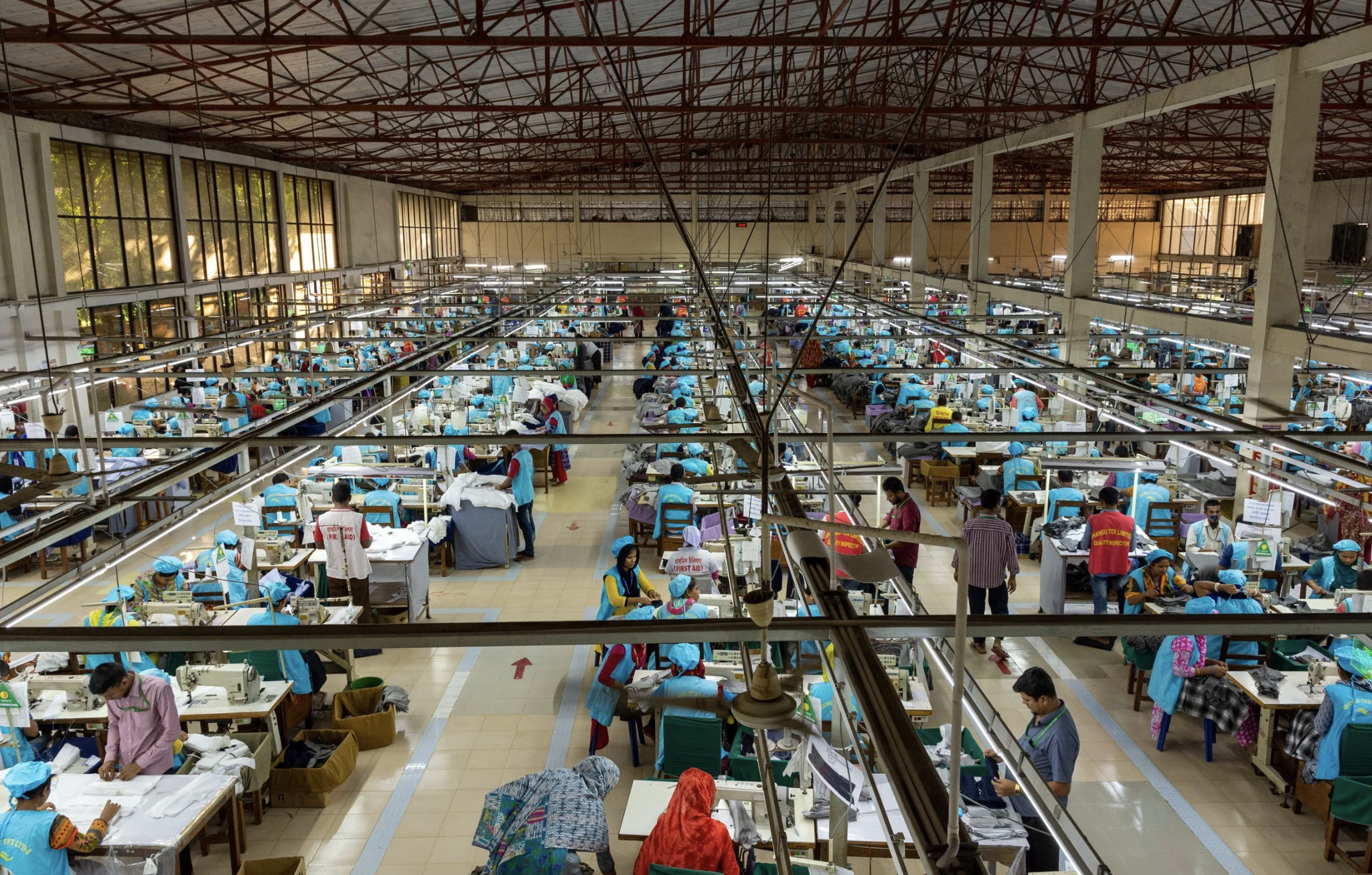
Level 2 goes deeper into two themes that shape working conditions on the ground: freedom of association and social dialogue, and gender equality in the garment and footwear industry. It moves from the underlying concepts through to what companies can do in practice — in training, sourcing decisions and contracts.
Level 2 includes all modules from Level 1 and additional 7 modules:
-
This module equips you to actively support freedom of association and strengthen social dialogue in garment and footwear supply chains. You'll gain practical insight into core labour rights, the role of trade unions and worker representation, and how effective social dialogue helps improve working conditions, especially for women workers.
You'll learn about
What is meant by freedom of association, collective bargaining and social dialogue, and how they differ
Factory-level grievance mechanisms and the different forms they take
The differences between trade unions and worker committees
The roles and responsibilities of worker representation
The benefits of effective social dialogue for women workers
The barriers to women's participation in social dialogue
Who it's for: CSR departments
Duration: Approx. 2 hours -
This module equips brands to actively strengthen social dialogue at factory level by building workers' capacity to engage confidently with management. You'll explore what effective social dialogue training requires, how it empowers workers to exercise their rights, and the concrete role brands play in fostering lasting and meaningful dialogue.
You'll learn about
The importance of capacity building for factory workers
The criteria for effective social dialogue training
Freedom of association and collective bargaining in practice
The role of companies in supporting social dialogue at production level
Who it's for: CSR departments
Duration: Approx. 30 minutes -
This module introduces core gender equality concepts and explains why understanding gender dynamics is essential for improving working conditions for women in the garment and footwear industry.
You'll learn about
The difference between gender and sex
Gender roles, norms and their negative impacts
Patriarchy and its link to gender inequality
Identifying gender stereotypes
Gender-based violence and discrimination in the workplace and in daily life
Formal versus substantive equality
Who it's for: CSR departments
Duration: Approx. 2 hours -
This module supports you in applying a gender lens to human rights risks, helping you identify how gender inequality manifests in practice and the key risks women workers face across international labour standards.
You'll learn about
The key gender risks linked to international labour standards
How gender inequality shows up in garment supply chains
Applying a gender lens to human rights risk analysis
Understanding gendered impacts across labour standards
Who it's for: CSR departments, sourcing departments
Duration: Approx. 3 hours -
This module helps you move from principles to practice by exploring how to actively support freedom of association and social dialogue in your supply chain. You'll gain practical insight into reducing risks, supporting worker representation, addressing violations, and building the capacity needed for effective and lasting social dialogue.
You'll learn about
Reducing freedom of association-related risks
Supporting independent trade unions
Creating safe spaces for workers to organise and speak up
Addressing violations of freedom of association
Supporting legal and systemic change
Building freedom of association and social dialogue capacity
Who it's for: CSR managers
Duration: Approx. 35 minutes -
This module empowers you to embed social dialogue into your sourcing strategy. You'll gain practical insight into how legal and country context can be used to reduce supply chain risks.
You'll learn about
Why sourcing decisions are critical for HRDD
How social dialogue enables respect for labour rights
Reducing human rights risks through sourcing strategies
Assessing freedom of association legislation by country
Grouping countries based on their freedom of association legal frameworks
Integrating social dialogue considerations into sourcing decisions
Who it's for: CSR departments, sourcing departments
Duration: Approx. 25 minutes -
This module enables you to turn contractual agreements into real leverage for strengthening freedom of association and social dialogue. You'll explore how long-term sourcing commitments, fair contract terms and clear supplier expectations can actively support stable employment, worker representation and better working conditions.
You'll learn about
The role of contractual agreements in supporting social dialogue
The benefits of long-term sourcing commitments for workers and suppliers
Linking purchasing practices and contract terms to freedom of association
Using contracts to enable training, non-retaliation and dialogue at factory level
Who it's for: CSR departments, buying departments, legal departments
Duration: Approx. 25 minutes